The clothing manufacturing process, step by step
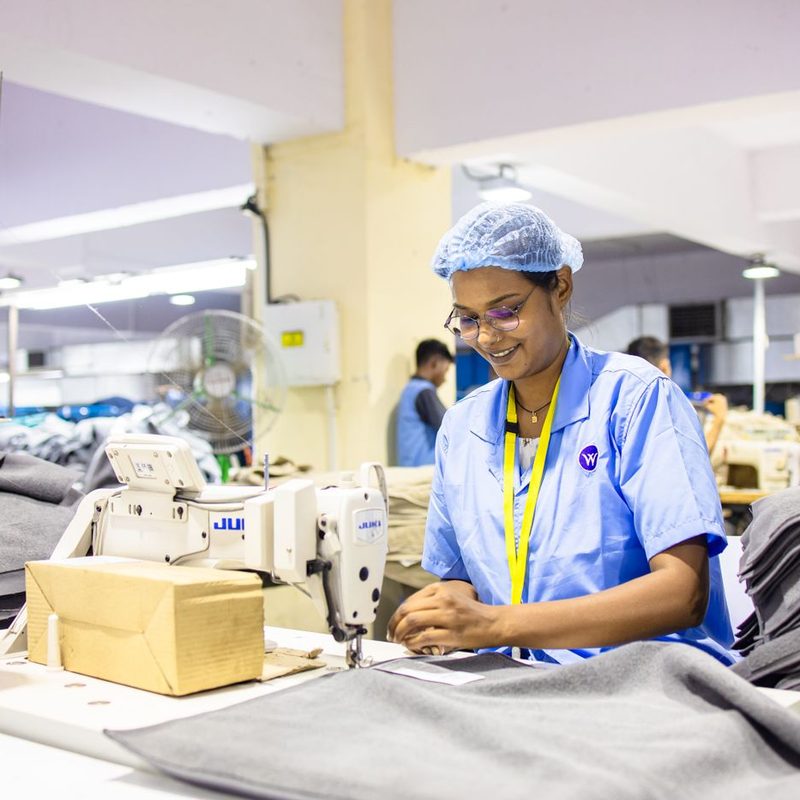
From approved design to a pallet of finished garments, a clothing order passes through about a dozen stages. Most take days. A few take weeks. Knowing the order of them is how you build a realistic timeline instead of a hopeful one.
Tech pack and specification
Everything starts with a document the factory can price. Sketches, measurements, fabric, trims, construction, color standards. If this stage is vague, every stage after it gets a revision, and revisions are where schedules die.
Budget three to ten days to get it right, longer if you are still deciding on trims.
Quotation and sampling
The factory prices the style, then makes a sample. Usually a proto sample first to check pattern and proportion, then a fit sample on a real body, then a size set in every size you plan to sell.
Each round takes one to three weeks including shipping, and each round can produce changes. Two rounds is normal. Three is common. If you are on round five, the problem is upstream in the tech pack, not in the sewing room.
Fabric, trims and pre-production
Fabric can run in parallel with sampling if the design is stable, and it should, because it is often the longest lead item. Stock fabric ships in days. Custom dyed fabric takes three to five weeks including lab dips and bulk approval.
Order trims early too. Zippers, custom woven labels and printed packaging all carry their own minimums and lead times, and a missing label can hold a finished order at the door.
Before bulk starts, the factory makes a pre-production sample using the actual bulk fabric and trims. That garment is the reference. Both sides sign it, and from then on it is the standard production is measured against.
At the same time the marker is made, the fabric is inspected and relaxed, and the cutting schedule is set.
Cutting, sewing and finishing
Cutting comes first. Fabric is spread in layers, the marker goes on top, and a cutting machine or hand knife works through the stack. Then bundles go to the line.
Sewing is where the time goes. A simple tee might be eight operations and three minutes. A tailored jacket can be eighty operations and several hours. The line runs in sequence, and one slow station backs up everything behind it.
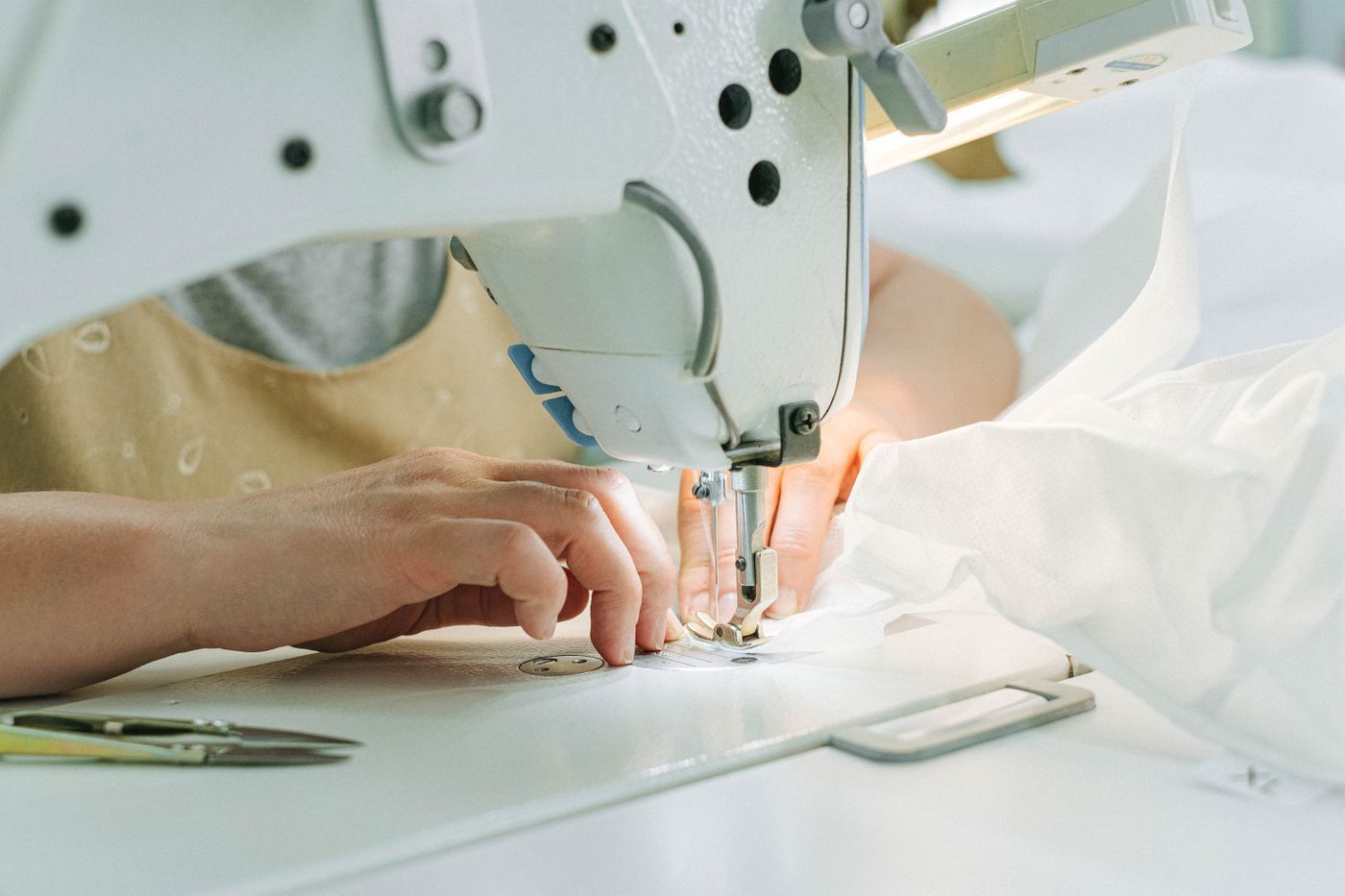
Finishing covers trimming threads, pressing, attaching hangtags, folding and packing. It is the stage people underestimate. Fifty people can sew faster than ten people can press and pack.
Quality control and shipping
- Inline inspection during sewing, catching defects before they multiply
- Final inspection on a sample of the order, usually AQL 2.5
- Measurement check against the approved size spec
- Packing audit: carton count, label placement, polybag condition
- Booking, loading and export documentation
Final inspection usually happens before the goods leave the factory, and a third party inspection can be arranged if the buyer wants independent eyes. Do not skip it to save two days.
How long the whole thing takes
A simple knit style on stock fabric, from approved tech pack to goods ready: eight to twelve weeks. Add two weeks for custom dyed fabric, two more if you need a size set in five sizes, and another two if your order lands during a factory's peak season.
Chinese factories are busiest from August to October, ahead of Western holiday retail, and again in March for summer stock. Orders placed in those windows queue behind everyone else's.
The stages do not change much between factories. What changes is how well each one tells you when something slips. Ask for a production schedule with dates before you pay a deposit, and check it against the calendar rather than against your hopes.
Ready to start your brand?
Tell us what you want to make and we'll tell you honestly whether it's worth it.
Contact Us