A practical guide to clothing quality control
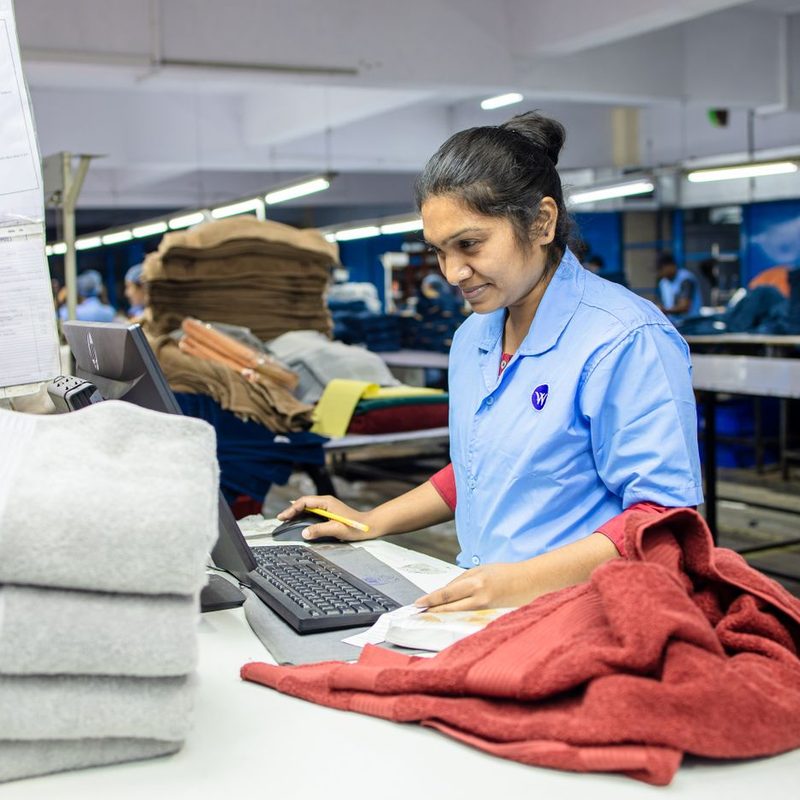
Quality control is not a final walk around the warehouse. It is a set of checks placed at specific points, with numbers attached, so problems get caught while they are still cheap to fix. Here is how the process works on a normal apparel order.
Inspect the fabric before it is cut
Fabric defects cannot be fixed after cutting. Most factories run incoming fabric through a four-point inspection system: the inspector scores each defect by size and length, and a roll fails if the total points pass a set limit per 100 square yards. You will not usually see this report unless you ask. Ask. Common problems are shade variation between rolls, bowing, and needle lines. If a 300kg lot has three visibly different shades of navy, stop it there, not after 500 hoodies are sewn.
Inline checks beat final inspection
End of line inspection catches problems after the whole order is built, which means rework, arguments, and late shipping. Inline checking happens at the sewing line: the first output of each operation gets measured against spec, and the supervisor checks every 30 to 50 pieces. Cutting, sewing, and finishing each need their own checkpoint. A factory that only inspects at the end is telling you something about how it works.
Agree on the AQL before production
AQL means acceptable quality limit, and it converts good enough into a number. AQL 2.5 is the standard for most apparel: on a 1,200 piece order, the inspector pulls 80 pieces and allows 5 major defects before the batch fails. For a premium brand, ask for AQL 1.5, which allows 3. Write the number into the purchase order, including which defect types count as major.
- Critical: needle damage, sharp points, mold, mislabeled fiber content. Any single one fails the lot.
- Major: broken stitching, a measurement outside tolerance, wrong color, missing component.
- Minor: untrimmed thread, small oil marks, slight puckering that does not affect wear.
Measurement checks need a written tolerance
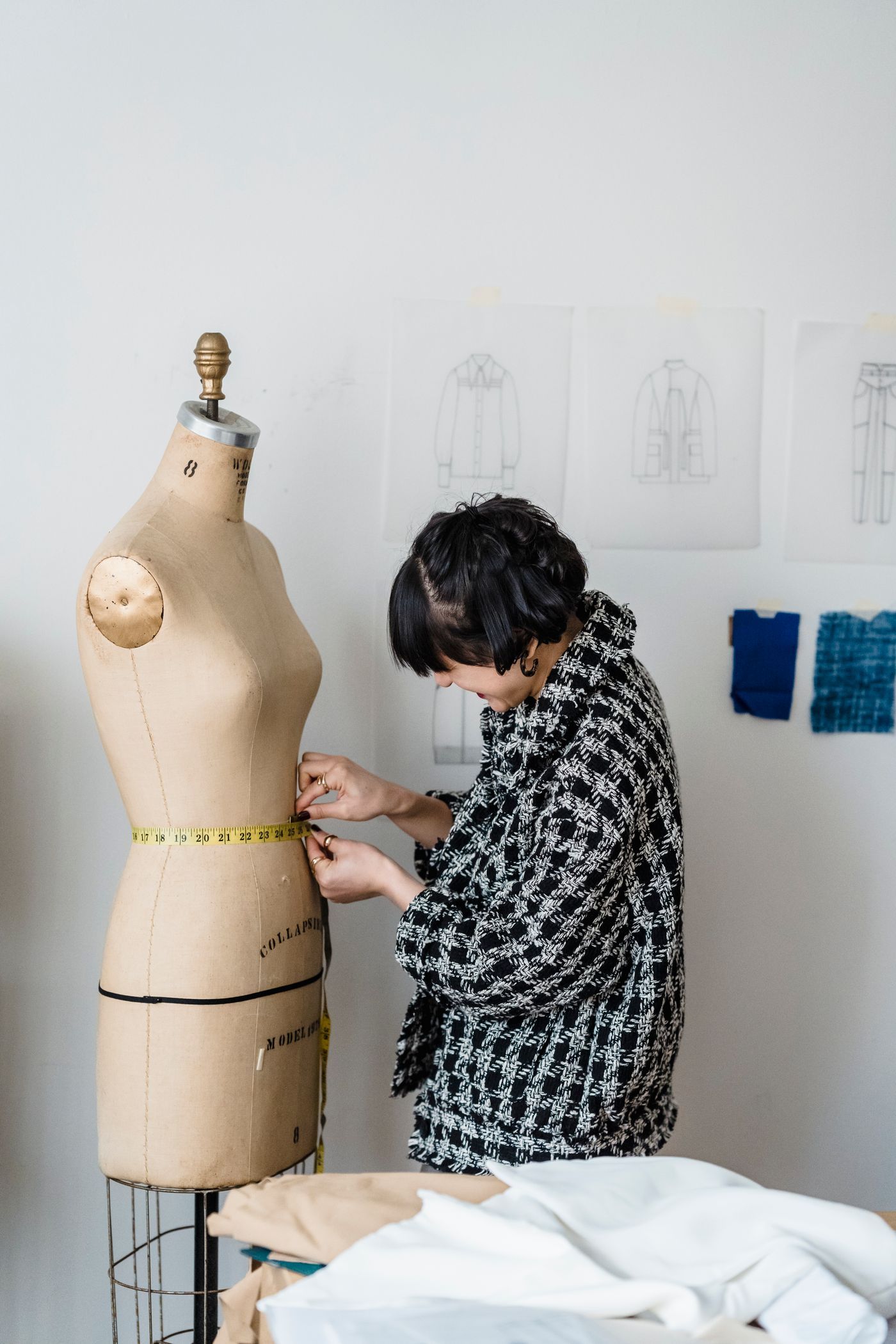
Every spec sheet should state a tolerance for each point of measure, typically plus or minus 1cm for knits and 0.5cm for wovens. Then check ten pieces per size, not one. One garment that measures right proves nothing. If chest width varies by 3cm across ten pieces of the same size, cutting or fabric relaxation is out of control, and the chart on your website no longer matches the product.
Decide who pays before problems happen
Rework, air freight, and chargebacks cause most of the fights. Agree in advance: who pays for rework on a failed inspection, whether the factory covers expedited shipping when they miss the date, and what the credit is for a batch that fails. Put it in the purchase order. Keep a photo record of every inspection with timestamps, so the conversation stays about evidence instead of memory.
Third party inspection is cheap insurance
For orders over roughly $5,000, book a pre-shipment inspection with SGS, Bureau Veritas, QIMA, or a local agent. Expect $300 to $400, a booking two to three days ahead, and a report within 24 hours. You get an AQL result, measurements, photos, and a carton check. On a $40,000 order that is under 1 percent of the goods value. Skipping it to save a few hundred dollars is a bad trade, and I have watched it go wrong more than once.
Ask for the carton check specifically. It covers carton dimensions against the packing list, gross weight, shipping marks, polybag labeling, and whether the ratio of sizes per carton matches what you ordered. I have seen a shipment pass inspection on the garments and fail at the warehouse because every carton was marked with the wrong style code.
One more thing worth clarifying: who inspects. In most factories the QC team reports to production management, which means the person signing off on defects also answers to the person whose bonus depends on shipping on time. That is a structural conflict, not a character flaw. It is the main reason third-party inspection exists, and the reason you should not treat an internal pass report as independent evidence.
The best quality control is boring. Written specs, tolerances in numbers, checks at three points, and a factory that logs what it finds. If your supplier cannot describe their inspection process in two minutes, they probably do not have one.
Ready to start your brand?
Tell us what you want to make and we'll tell you honestly whether it's worth it.
Contact Us