Fabric GSM and weight, explained in plain English
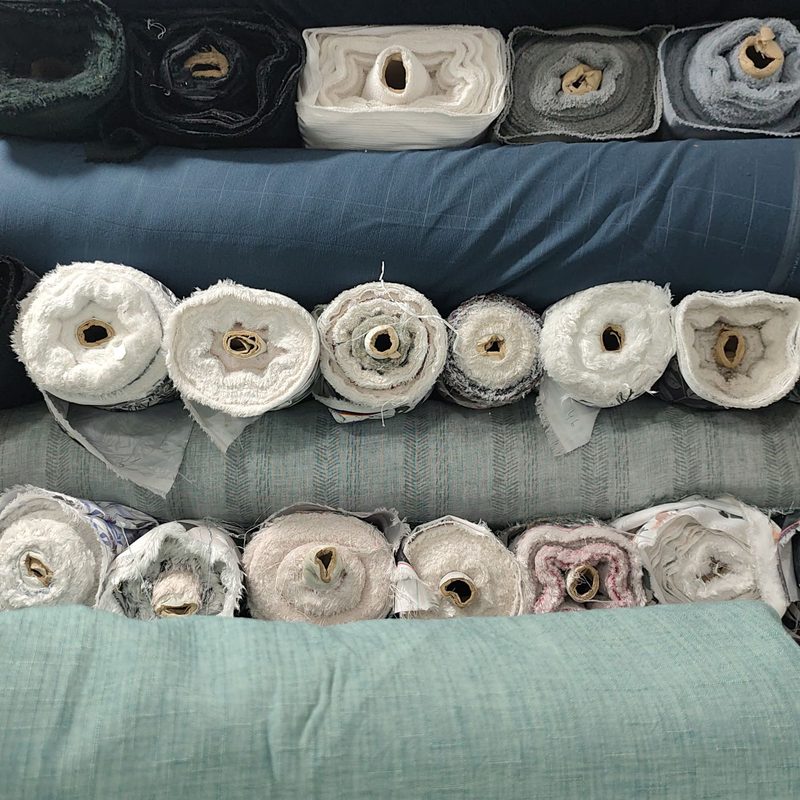
GSM means grams per square meter. It is the weight of one square meter of fabric, and it is the most useful number on a fabric spec sheet. A 180 GSM cotton jersey is a light tee. A 280 GSM fleece is a heavy hoodie. That is the whole concept. Everything else is detail.
What the number actually measures
Take a piece of fabric, cut a square meter, weigh it. Heavy fabric, high number. Thin fabric, low number. Because it is measured by area rather than length, you can compare a knit to a woven, or a wide fabric to a narrow one, and the numbers still mean the same thing.
The catch is that GSM tells you weight, not thickness, and certainly not quality. A loosely knitted 200 GSM fabric can feel thinner than a tightly knitted 170 GSM one. Weight and density are different properties, and buyers confuse them constantly.
Typical weights for common garments
These ranges come from years of spec sheets. They are a starting point, not a rule.
- T-shirt, lightweight: 140 to 160 GSM. Thin, slightly sheer in white, good for summer and for large prints.
- T-shirt, standard: 170 to 190 GSM. The default for retail tees. Holds its shape and works for most prints.
- T-shirt, heavy: 200 to 240 GSM. Structured and boxy, holds a print well. Popular in streetwear.
- Polo: 200 to 240 GSM in pique. Below 190 the collar starts to look flimsy.
- Light hoodie or sweatshirt: 280 to 320 GSM brushed fleece.
- Heavy hoodie: 350 to 450 GSM. At 400 and above you are into workwear territory and shipping costs climb fast.
- Denim: 10 to 14 oz per square yard, which is a different unit. 12 oz is a normal jean, 14 oz is stiff and takes months to break in.
Higher GSM is not better
There is a fashion for ever heavier hoodies, and it has convinced a lot of new brands that 450 GSM is a quality signal. It is not. A 450 GSM hoodie in a warm climate is unwearable for eight months of the year. It also costs more to make, more to ship, and more to warehouse.
The right weight is the one that suits the product and the market. A breathable 160 GSM linen blend is a better summer shirt than a 220 GSM cotton one. Weight should follow function, not the other way around.
Why two fabrics at the same GSM feel different
Four things move the feel without changing the number much. Yarn count: finer yarns feel smoother. Knit structure: a denser knit at the same weight feels firmer. Finishing: compaction, brushing, and washing all change hand feel. Fiber blend: 5% elastane changes drape more than 20 GSM does.
This is why a buyer who orders "180 GSM cotton jersey" from two suppliers gets two different fabrics. The spec was incomplete, and both factories filled in the gaps their own way.
How to specify fabric properly
Do not stop at GSM. Ask for the full spec: fiber composition with percentages, yarn count, knit or weave structure, finish, shrinkage after wash, and color fastness rating. Ask for a 30 by 30 cm swatch before you commit to a bulk order, and wash it twice before you approve it.
If a supplier cannot give you shrinkage numbers, that is a real warning. Cotton jersey commonly shrinks 3 to 7% in the first wash unless it has been pre-shrunk. That is the difference between a size M that fits and a size M that does not.
Weigh it yourself
Buy a cheap kitchen scale with 0.1 g resolution and a steel ruler. Cut a 10 by 10 cm square, weigh it, multiply by 100. You now have a GSM number you can check yourself, for about 15 USD in equipment.
Do this on every bulk delivery for the first year. Fabric substitution is one of the most common quiet failures in this industry, and a scale catches it in ten seconds.
Ready to start your brand?
Tell us what you want to make and we'll tell you honestly whether it's worth it.
Contact Us