How to design a hoodie people want to buy
A hoodie looks like a simple garment. It is not. Weight, fit, hood shape, and a dozen small parts decide whether it feels like a $30 blank or a $120 product. Here is what actually matters when you spec one.
Weight decides the price and the feel
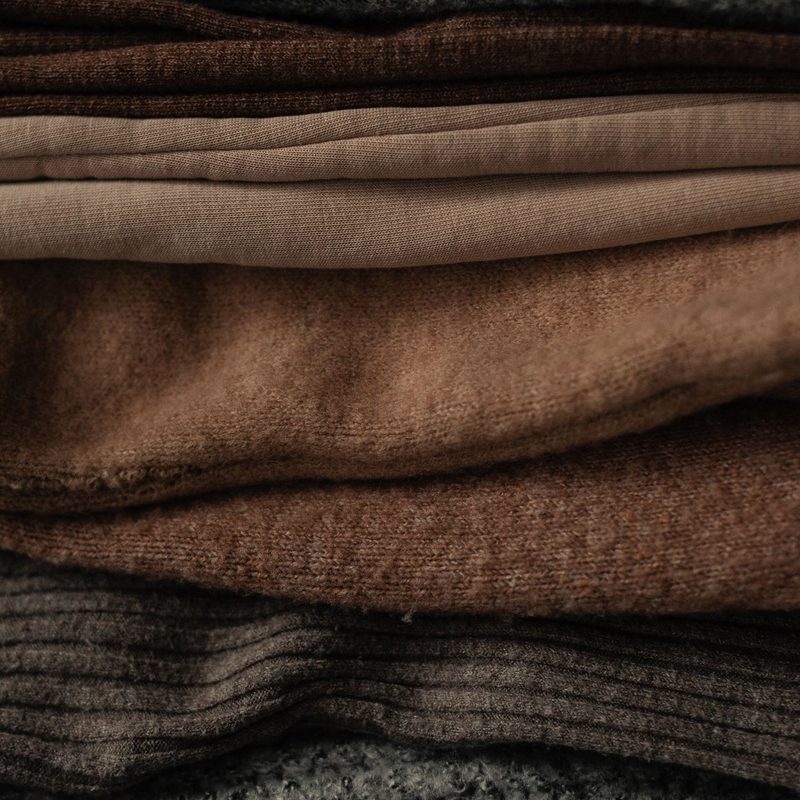
Fabric weight is measured in grams per square metre. A 280gsm fleece feels thin and springy. 350gsm is the sweet spot for most streetwear. 400gsm and up feels substantial and holds a boxy shape, but it costs more, sews slower, and takes longer to dry. Loopback French terry at 320 to 380gsm is lighter and works better for spring drops. If you sell online, put the weight in the product description. Buyers who care about hoodies care about weight.
Get the fit block right before anything else
Most first-time hoodie designs fail on body length. Oversized fits need a shorter body than you think, or the hem swallows the wearer's hands. Drop shoulder seams sit 4 to 8cm past the shoulder point. Chest width on a size M usually lands between 58 and 62cm for an oversized fit and 52 to 55cm for a regular one.
Ask for a fit sample in your target size before you approve the pattern. Then have someone who wears that size put it on and move: sit down, raise both arms, put the hood up. A hoodie that rides up when you reach forward is badly graded, no matter how good the photo looks.
The hood is where cheap shows
A two-panel hood is cheaper and looks flat when worn. A three-panel hood sits better on the head and is worth the small extra cost. Ask for a double-layer hood, meaning a self-fabric outer with a jersey lining inside. Single-layer hoods collapse. Check the drawcord too: flat cotton laces with metal or plastic tips are standard, and the eyelets should be reinforced. On a premium product, cord locks and metal eyelets add maybe $0.60 per piece and change how the garment reads.
Details that separate a $40 hoodie from a $90 one
- Ribbing with 5% elastane at cuffs and hem, so it recovers instead of going baggy.
- Flatlock or coverstitch on the hood seam instead of a plain overlock.
- Bartacks at the pocket corners and the drawcord exit points.
- Kangaroo pocket with a clean bar tack and matching thread, not a wavy topstitch.
- Shoulder to shoulder taping on lighter weights, which stops seam stretch.
None of these add much cost individually. Together they are the difference between a garment that survives fifty washes and one that looks tired by March.
Plan colorways before the fabric order, not after. Most mills have a minimum per color, often 100 to 300kg, and a custom dye lot adds two to three weeks. If you want six colors for launch, ask what the mill already stocks. Working from stock colors can cut four weeks off your timeline. Print placement deserves its own drawing with measurements from the shoulder seam, because a chest print that sits 3cm too high looks wrong on every size above a large.
Test the shrinkage before you print anything
Cotton fleece shrinks. A 100% cotton 400gsm fleece can lose 5 to 8 percent in length after three washes if it is not pre-shrunk or garment dyed. Ask the factory for a wash test report, or pay for one. If your graphic sits 2cm from the hem on the sample, it may sit 4cm from the hem after the customer's third wash. Pigment dyed and garment dyed hoodies shrink more and fade unevenly by design, which is fine if you plan for it and a complaint if you do not.
Order two samples, not one
The first sample checks the pattern and the fabric. The second checks the corrections plus the print or embroidery placement. Budget three to four weeks for both rounds with shipping. Wear the sample for a week before you sign off. Wash it twice. If the hood loses shape or the cuff ribbing stretches out, you have found the problem while it still costs $80 to fix instead of $8,000.
You do not need a design degree for this. You need to decide what the garment should feel like, then write those decisions in numbers the factory can follow. Words like premium and heavyweight mean nothing on a spec sheet. 400gsm, 60cm chest, three-panel double hood means something.
Ready to start your brand?
Tell us what you want to make and we'll tell you honestly whether it's worth it.
Contact Us