How to plan your first clothing collection
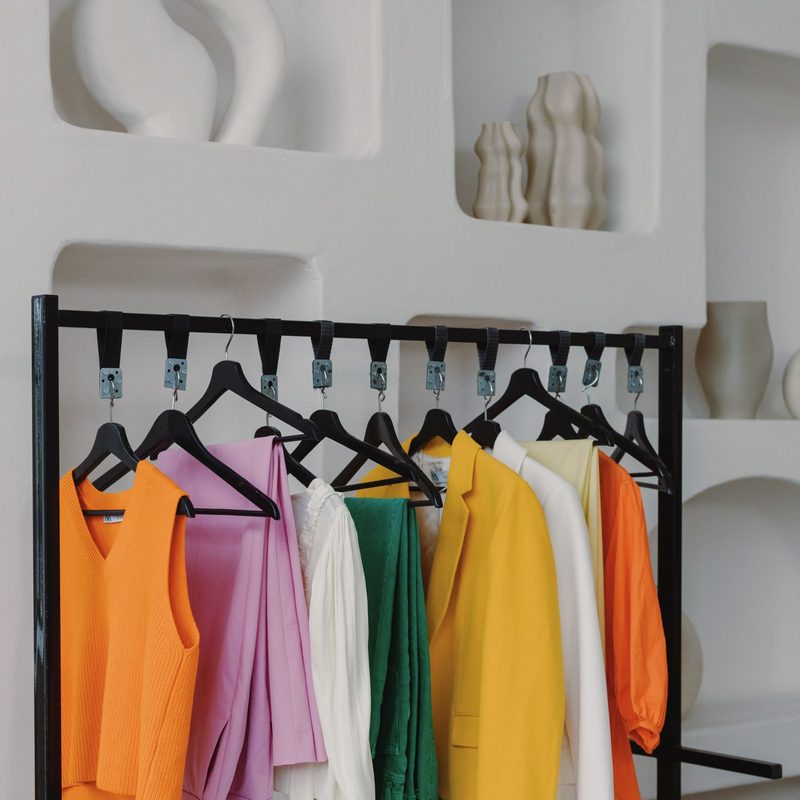
Most first collections fail for a boring reason: too many styles, too few units of each, and a launch date that assumes the factory starts the day you email the tech pack. Planning a collection is mostly scheduling and cash arithmetic. Designing it is the fun part and the smallest risk.
Start with one product, not a season
A first collection of 20 styles across four colourways is 80 SKUs. At 100 units per SKU that is 8,000 garments and a deposit most new brands cannot cover without a loan. Pick one hero product and get it right. Then add two or three pieces that sell alongside it, the tee under the hoodie, the cap at checkout.
Six to eight SKUs is a workable first drop. Enough to look like a collection on a line sheet, small enough that one bad colour does not end the business.
Work backwards from your launch date
Add up the stages, then subtract from the date you want to sell:
- Sampling: 2 to 3 weeks per round, and budget two rounds. First samples are almost never right.
- Fabric and trims: 1 to 2 weeks if the mill stocks the colour, 4 to 6 weeks for custom dyeing.
- Bulk production: 30 to 45 days for knits, 45 to 60 for wovens with more construction.
- Sea freight: 30 to 35 days to Europe or the US. Air is 5 to 7 days and costs four to six times more.
A launch on June 1 needs the tech pack finished by early February, not April. Brands that plan forwards instead of backwards end up air-freighting the whole order, and air freight can eat 15 to 25 percent of a small order's value in one move.
Budget the order, not the unit cost
New brands fixate on the FOB price and forget everything around it. A realistic first-order budget for a 6 style drop:
- Sampling: 150 to 400 USD per style including one revision.
- Bulk: 100 to 300 units per style. A mid-weight hoodie lands around 9 to 14 USD FOB, a 180gsm tee around 2.50 to 4 USD.
- Labels, hangtags, polybags: 0.30 to 1.20 USD per unit at low volume.
- Freight and duty: 10 to 25 percent of goods value, depending on route and country.
- Photography and launch content: whatever is left, which is usually too little.
Colourways are a cash trap
Every colour is a separate minimum at most factories. Three colours of one hoodie at 100 pieces each is 300 garments to sell. Two colours at 150 each gives you depth in sizes, and a size run that sells out at medium is a worse problem than a colour that moves slowly. Cut colours before you cut styles.
Write the line sheet before you approve samples
One page per style: flat sketch, fabric, colours, size run, wholesale, retail. Doing it early forces the decisions you would otherwise leave to the factory, and factories charge for decisions made late. It also shows you the margin before you commit. If retail runs at 2.2 times wholesale, and wholesale at 2 times FOB, a 12 USD hoodie retails near 53 USD. If that number does not fit your market, you find out on paper instead of in a warehouse.
Two habits separate the brands that survive year one. They reserve 15 percent of the budget for the second production run, because selling out is a real risk and a reorder takes six weeks. And they order the size curve they expect to sell, not a flat spread. If your customers are mostly medium and large, ordering equal numbers of XS is a donation to your storage unit.
Treat the collection like a small manufacturing project with a deadline and a cash ceiling. The brands still around after two years are the ones that shipped something small and correct, then repeated it.
Ready to start your brand?
Tell us what you want to make and we'll tell you honestly whether it's worth it.
Contact Us