Organic cotton vs regular cotton: the honest difference
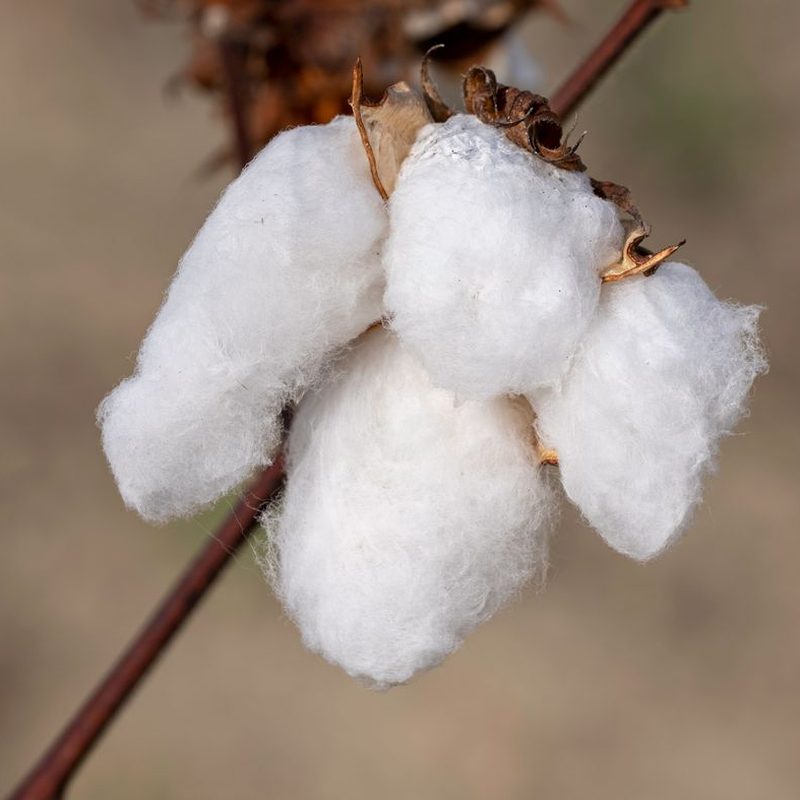
Every few months a customer asks whether they should switch their line to organic cotton. My answer depends on things they usually have not thought about: who buys the shirt, whether anyone will check the certificate, and how much of the retail price they can protect. The fibre difference is real. The marketing around it is louder than the difference.
What organic actually changes
Organic cotton is grown without synthetic pesticides or fertilisers, from seed that is not genetically modified, in fields rotated with other crops. Instead of spraying defoliants to strip the leaves before harvest, organic farms wait for frost or pick by hand. That is the farm level, and it is a meaningful set of changes for the people working in the field.
Processing is where the standards go further than most buyers expect. GOTS, the main certification, covers the whole chain: no chlorine bleaching, restricted dye chemistry, wastewater treatment, and a social section on wages and working hours. A fabric can be made from organic fibre and still fail GOTS if the dyehouse is dirty. Worth knowing, because some suppliers sell organic cotton fabric with a farm certificate and nothing else behind it.
The quality myth
Organic cotton is not softer, stronger, or better made. It is cotton. A 180gsm organic single jersey can pill worse than a well-knit conventional one, because pilling comes from fibre length, yarn twist, and knitting tension, not from how the plant was grown. Most of the quality complaints I see in organic programs are ordinary production problems wearing a green label.
A few supply chain facts that rarely make it into the sales sheet:
- Yields run roughly 20 to 30 percent lower per hectare, which is most of why the raw fibre costs more.
- Organic fibre gets blended with conventional cotton during shortages, and the paperwork does not always show it.
- Elastane is allowed up to 5 percent in a GOTS garment, so a stretch tee is never 100 percent organic and should not claim to be.
- Organic cotton still needs a lot of water. It removes pesticides, not irrigation.
What the certificate is worth
If you pay a premium, ask for the scope certificate from the supplier you are actually buying from, and a transaction certificate for the specific shipment. The transaction certificate is the one that ties fibre to your order. A factory that cannot produce one within a few days usually cannot produce one at all.
The cost, in numbers
A 180gsm tee uses about 0.4kg of fabric. Organic jersey runs roughly 1 to 2 USD more per kilo than conventional at the mill, so the fibre premium lands at 40 to 90 cents per tee. Add the extra dyehouse cost, the certification admin, and the fact that organic colours are often dyed in shorter runs, and your landed cost goes up 3 to 8 percent. On a 12 USD FOB tee that is small. On a 4 USD basic it is not.
When the premium pays back
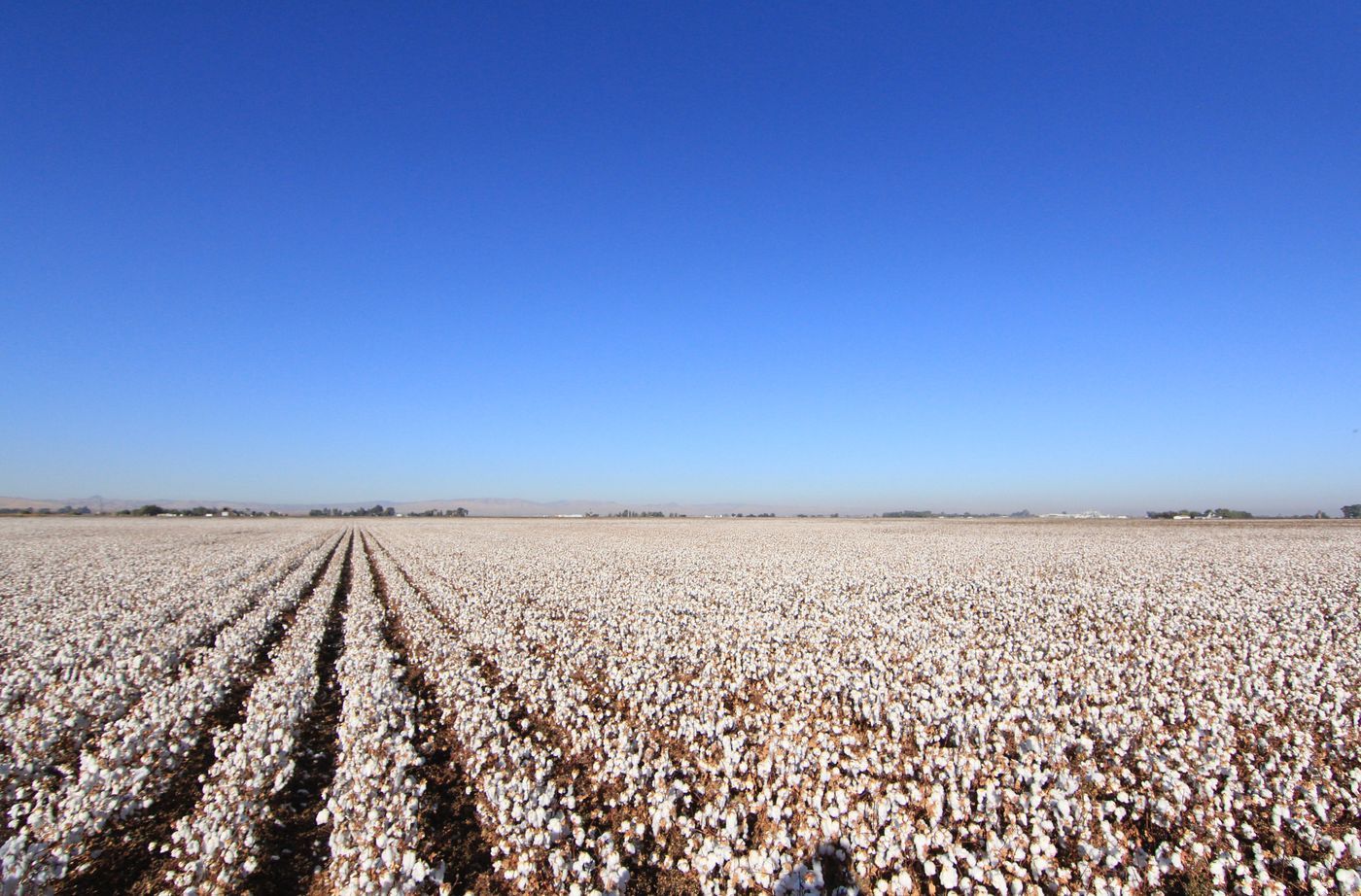
It pays when three things are true at once. Your customer reads labels. You sell above about 40 USD retail. And you have enough volume to make the certificate paperwork routine instead of a project. Brands in that position get a real story and a real product improvement, and the cost sits inside a margin that can carry it.
It does not pay when you sell at 18 USD on a marketplace where nobody filters by fibre, or when the premium comes straight out of your own margin because you cannot raise the price. In that case you have bought a label nobody will read and paid for it yourself.
There is a middle path worth mentioning. Organic cotton in a blend, say 60 percent organic with recycled polyester, often gets most of the marketing value at half the cost increase. It is not a pure story, and some customers will call it out. Most will not.
Organic cotton is a genuine improvement in how fibre is farmed and processed. It is not an upgrade to the shirt in your hand. Decide which of those two things you are buying, and pay for that one.
Ready to start your brand?
Tell us what you want to make and we'll tell you honestly whether it's worth it.
Contact Us