When to start production for a seasonal collection
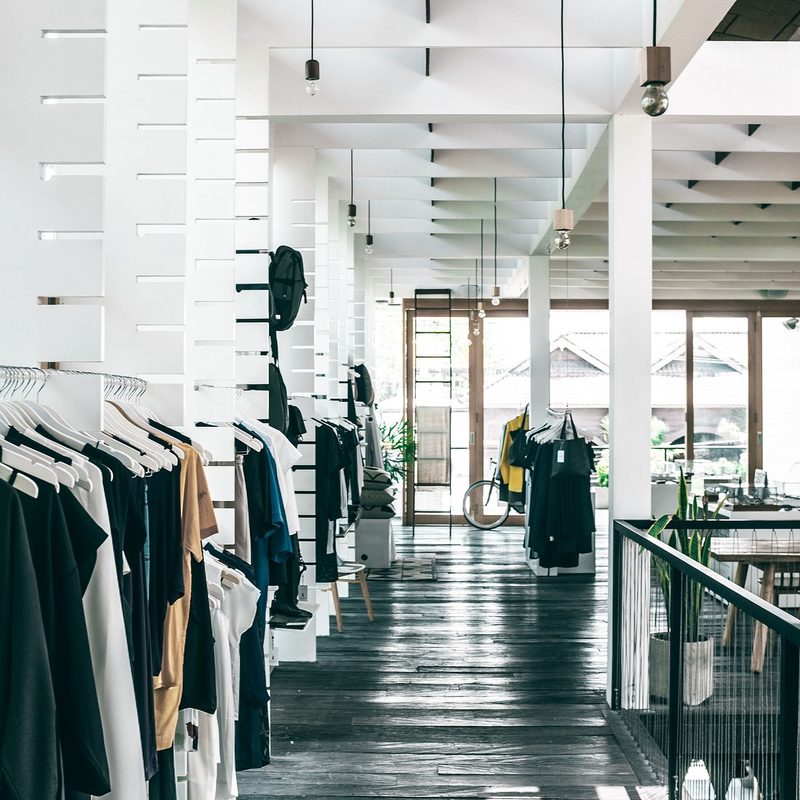
Every year, brands start spring production in February and wonder why the goods land in May. The calendar does not care how good the design is. Retail seasons start earlier than the weather does, and production has to start earlier again. Here is how to work backwards from the shelf date instead of forwards from the idea.
Start from the shelf date, not the season name
Spring in retail does not start in March. It starts in January, sometimes late December, because buyers want goods on the floor before the weather turns and competitors get there first. If your target is a February 1 shelf date, that is your anchor. Everything else counts back from it.
The countdown for a February drop
- 12 to 14 weeks before. Fabric ordered and dye lots booked. This is the longest single lead time and the one people forget.
- 10 weeks before. Labels and hangtags ordered. Woven labels take 10 to 15 days, and a reprint takes another 10.
- 8 to 9 weeks before. Pre-production sample approved. Photos signed off in writing.
- 7 weeks before. Bulk cutting starts.
- 4 weeks before. Sewing and finishing.
- 3 weeks before. Inspection booked. Book the third-party inspector early, they fill up in peak season.
- 2 weeks before. Goods leave the factory.
- 1 week before. Air freight if you are late. Add 4 to 6 times the freight cost.
That is the tight version, with everything going right. In practice, add two weeks. If your order has a print, a custom knit, or a garment dye, add three.
Chinese New Year is not a holiday, it is a month
This is the biggest scheduling fact in Asian apparel production and it is still underestimated every single year. Factories in Guangdong typically close for 10 to 14 days. Workers travel home, and a meaningful share do not come back. The two weeks before the shutdown are chaos, with every brand pushing orders out the door. The two weeks after are a slow ramp while new workers are trained.
In practice you lose four to six weeks of real capacity around the holiday. If Chinese New Year falls in early February, a spring drop that depends on February production is already late. Plan to have goods on a boat by mid January, or budget for air freight and accept the margin hit.
Sampling rounds take longer than the line
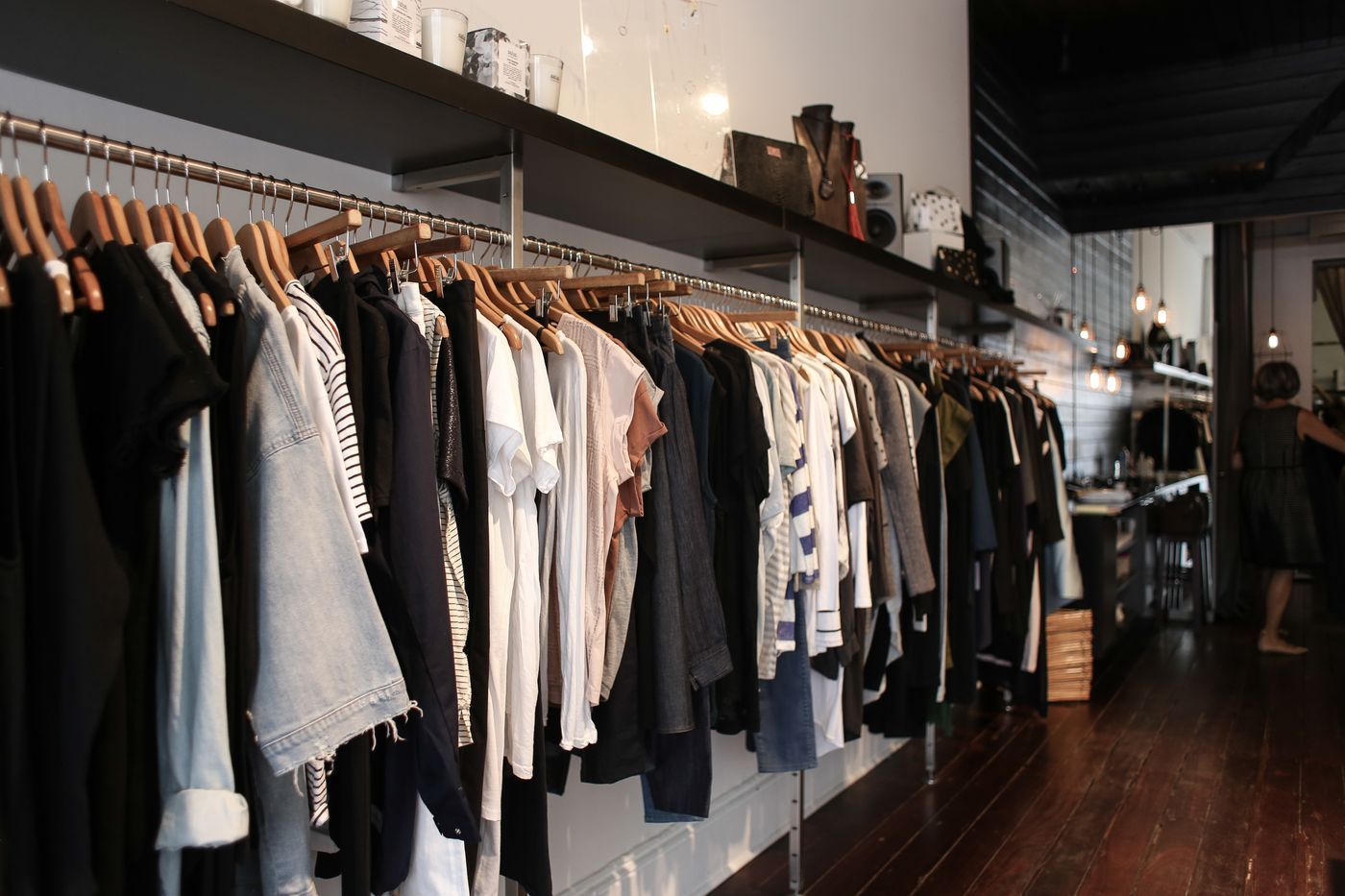
Most first-time buyers budget for one sample round. Realistically it is two or three. First proto, then fit sample, then PP sample. Each round is 7 to 12 days including shipping, and each round can produce a change that requires another round.
If the design has a print, add a strike-off round for the print. If it has a custom knit or a special wash, add one for that too. These run in parallel if you are organized and in sequence if you are not, and the difference between those two is about three weeks.
Build in a buffer you can actually use
A three week buffer sounds generous until two things go wrong. What matters is that the buffer is real time in your calendar, not spare capacity at the factory. Factories cannot make up a week by working faster on a line that is already scheduled. That is not how lines work.
The useful buffer sits at the front. Approve everything early. A pre-production sample approved in week nine instead of week seven buys you two weeks of slack for free, and it costs nothing but discipline.
Late add-ons and reorders
Reorders are the other timing trap. If a style sells well in week two, you want more by week six. A reorder still needs fabric, which is 4 to 6 weeks unless the mill has your dye lot sitting on a shelf. Most do not. Ask your factory to hold 10 percent extra fabric for exactly this, and pay for it. It is the cheapest insurance in the business.
The brands that hit their dates are not faster than everyone else. They start earlier and they approve faster. In a first season the factory is almost never the bottleneck. The buyer's approval cycle is.
Ready to start your brand?
Tell us what you want to make and we'll tell you honestly whether it's worth it.
Contact Us