Sustainable clothing manufacturing: what it actually means
Sustainable is the most overused word in this industry. It can mean a certified organic cotton supply chain, or a factory that put solar panels on the roof, or a brand using recycled polyester made from bottles, or nothing at all. When a supplier says their factory is sustainable, the useful response is to ask which part.
Four different claims wearing one word
Most sustainability claims in clothing fall into one of these groups, and they are not interchangeable.
- Fibre: organic cotton, recycled polyester, linen, Tencel. About what the garment is made of.
- Process: low water dyeing, closed loop washing, solvent recovery. About how it was made.
- Factory: energy source, wastewater treatment, worker conditions, chemical handling. About where it was made.
- Business model: making less, selling out, repairing, taking garments back. About how much was made.
A brand can be strong on one and weak on the rest. Recycled polyester from a coal powered mill is a real thing that exists.
Certifications that carry weight
If you want evidence rather than adjectives, these are the ones buyers actually check.
- GOTS covers organic fibre plus processing and social criteria, with transaction certificates that trace a batch from gin to garment. The transaction certificate is the part that matters, because it is issued per shipment.
- GRS certifies recycled content. The threshold is 20 percent for the GRS logo and 50 percent for the made with GRS claim, which tells you something about how much recycled material is really in a typical garment.
- OEKO-TEX Standard 100 tests the finished product for harmful substances. Useful for chemical safety, silent on environmental impact.
- bluesign reviews chemicals at the mill level, input by input. Strong where it applies, and it applies mostly to fabric mills.
- BCI, Better Cotton, is the weakest of the group in practice. Its mass balance system means the cotton in your shirt is not necessarily the cotton a Better Cotton farmer grew. It funds training, which has value, but it is not traceability.
Most of the impact is in the fabric
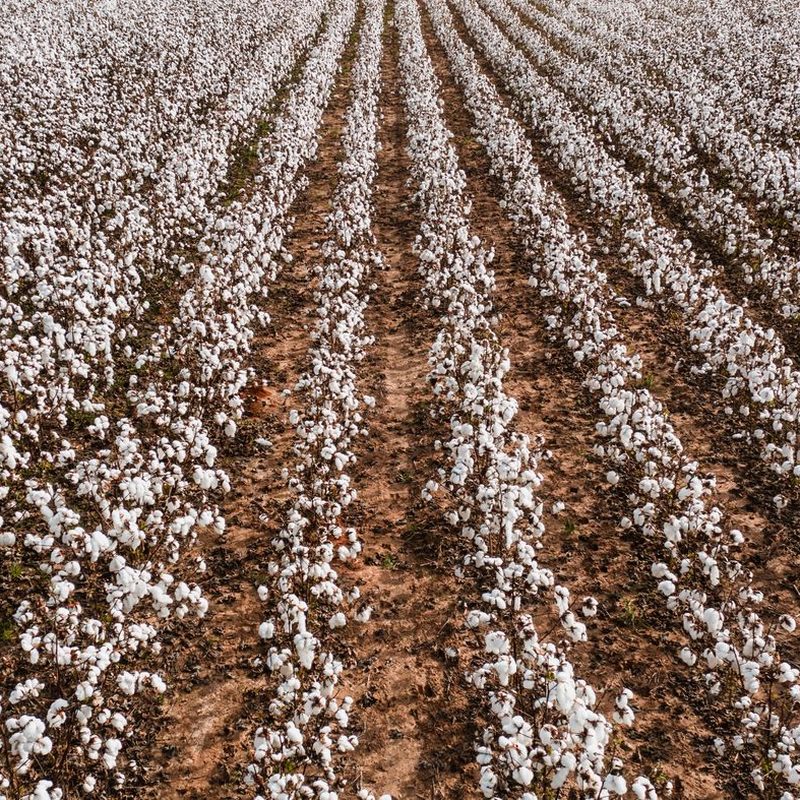
Global fibre use is roughly 60 percent synthetic, mostly polyester. Cotton takes the rest of the spotlight and most of the water. Commonly cited figures put a single cotton t-shirt at 2,000 to 2,700 litres. Polyester uses almost no water and comes from oil, and it sheds microplastics in every wash.
Neither fibre is clean. What changes the total is how long the garment is worn. A cotton tee worn two hundred times has a fraction of the impact per wear of one worn eight times and thrown away.
Dyeing is the part people underestimate
Textile dyeing is regularly cited as one of the largest sources of industrial water pollution. Conventional dyeing can use over 100 litres of water per kilo of fabric, plus fixing chemicals and the energy to heat the bath. Cold pad batch dyeing, low liquor ratio machines and proper wastewater treatment cut that substantially, and they cost money to install.
In Guangdong, dyeing houses have been under hard pressure since the 2015 water regulations. A lot of small ones closed. The ones that survived spent real capital on treatment, which is why dyeing quotes from this region are higher than from places with looser enforcement.
What a cut and sew factory can actually change
A garment factory does not spin yarn or dye fabric. It buys from mills, and has limited leverage over them. Being honest about that is more useful than a vague claim about a green supply chain.
What it does control: marker efficiency, which is how much of a fabric roll ends up in the garment rather than the floor. Good cutting rooms hit 85 to 92 percent. The gap between the two is fabric bought and thrown away. It also controls how much excess fabric it orders, how many samples it makes, whether it reuses trim, and how it handles energy and worker conditions.
A factory that orders five percent more fabric than its markers need is wasting more than one that swapped its lights for LEDs saves. Nobody puts that in a brochure.
Questions that get useful answers
Vague questions get vague answers. These tend to work.
- Which mill wove this fabric, and can I see the transaction certificate for my batch?
- What is the recycled content by weight, and who certified it?
- How many kilos did you buy for this order, and how many did the marker use?
- What happens to the offcuts and the rejected pieces?
- Can I see the dyehouse wastewater permit and the last test report?
A supplier who answers three of those with documents is more credible than one who answers all five with adjectives.
The most sustainable decision available to a small brand is not a fibre swap. It is making a garment people keep wearing, and not making more of it than you can sell. That is duller than a certification logo and it moves the number further. The unsold stock in a landfill was made with the same water and the same energy as the stock that sold.
Ready to start your brand?
Tell us what you want to make and we'll tell you honestly whether it's worth it.
Contact Us