What a fit sample is and why you should never skip it
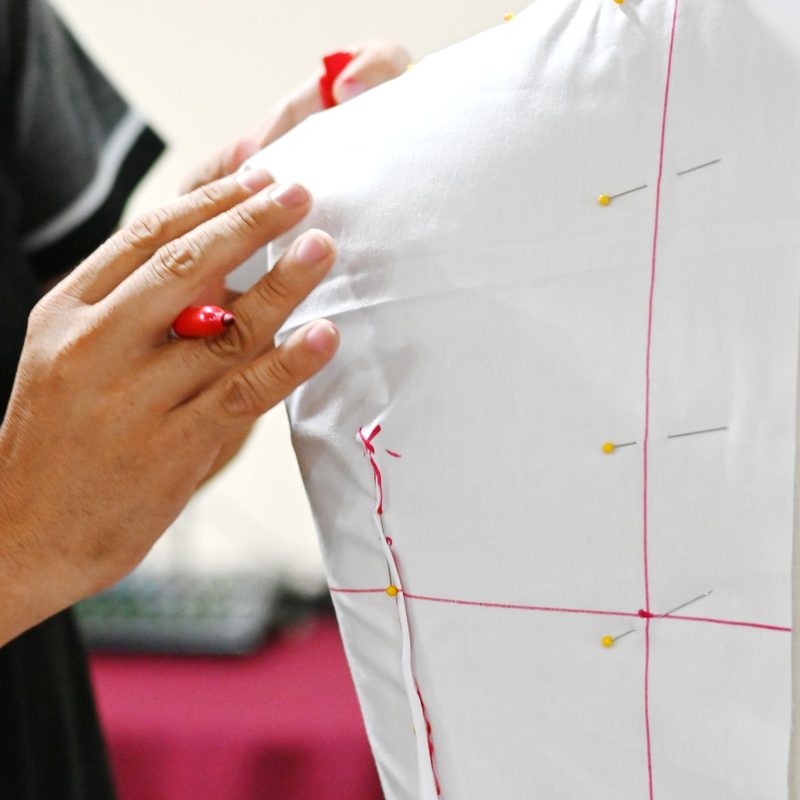
Almost every new brand tries to skip the fit sample. The tech pack looks complete, the price is agreed, and sampling adds two or three weeks plus a few hundred dollars before anything goes into production. So the order jumps straight to bulk. Then the cartons arrive and the sleeve is short by two centimetres, or the neckline gapes on a real body, or the fabric that felt fine as a swatch turns out to be too thin once it is cut into a garment.
A fit sample is the cheapest place to find those problems. It is one garment, made from your fabric on the machines that will run your order, that somebody actually wears and measures before the factory commits to thousands.
What a fit sample actually is
Factories use the term loosely. It helps to know which version you are being quoted for.
- Prototype. A first attempt, often in a stock fabric, made to check whether the design can be built at all.
- Fit sample. Your final fabric and trims, sewn in the base size, so you can check measurements and how it hangs.
- Size set. The same style cut in every size you plan to sell, checked against your grade rules.
- Pre-production sample. The version that should match bulk exactly, cut from the same pattern and materials the factory will use for the run.
For a plain tee, a fit sample is usually enough. For anything with a new pattern, a size set plus a pre-production sample is normal, and it is not the factory being difficult.
Why the factory needs a garment, not a document
A tech pack is a set of measurements and notes. It cannot tell a pattern maker how a fabric behaves. Ponte jersey recovers differently from single jersey. Heavy French terry drags the shoulder seam down. A 240 gsm loopback behaves nothing like the 180 gsm version of the same cloth. Somebody has to sew it to find out.
There is a second reason, and it is practical. When the sample comes back and you pin the armhole tighter or tape the hem shorter, the pattern maker has something to copy. A comment like make the armhole smaller gets interpreted five different ways. A pinned armhole gets interpreted once.
What to check when it lands
Put it on a person, not a hanger. Then go through this in order.
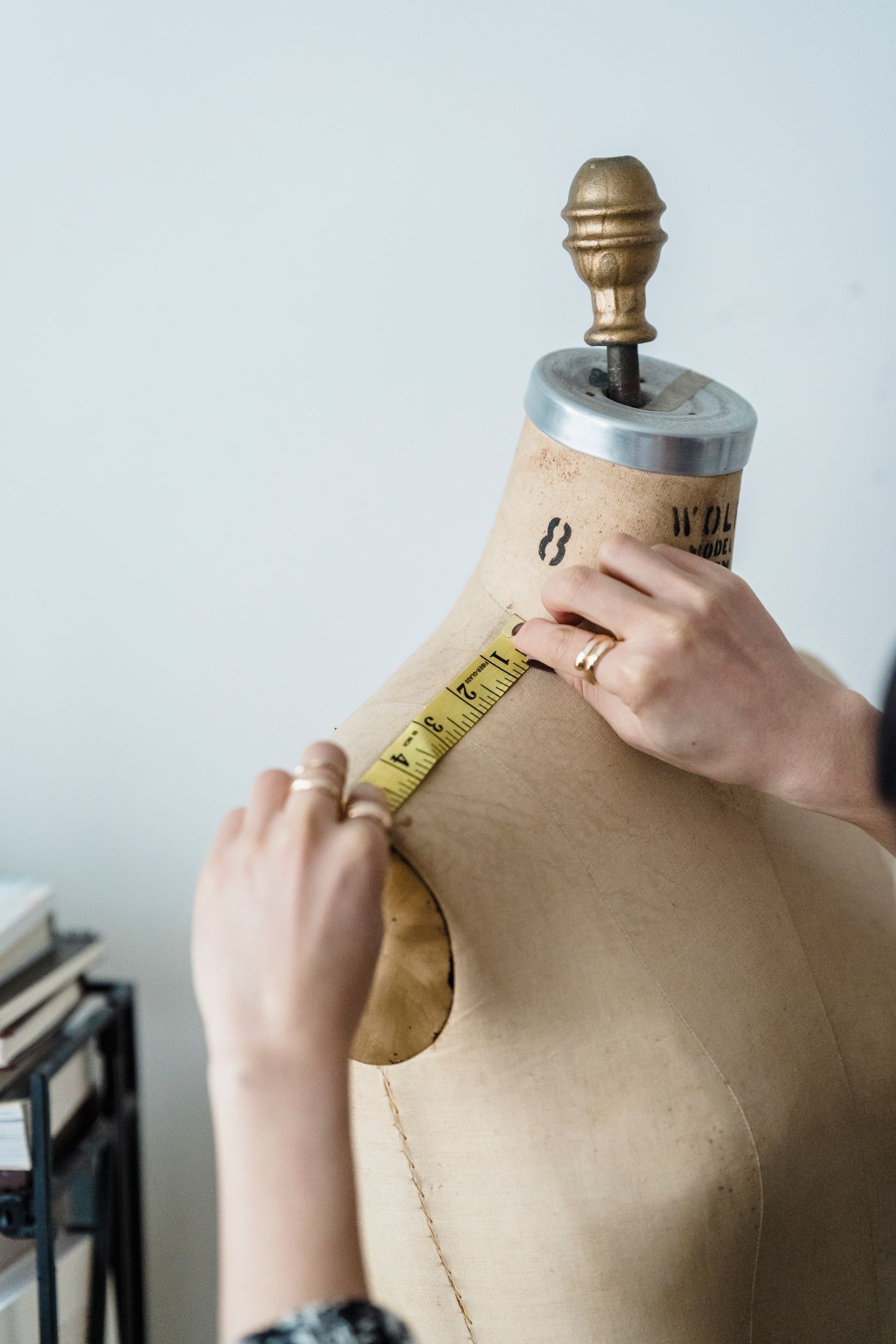
- Measure it flat against the spec sheet: chest, shoulder, sleeve, body length at minimum. Half a centimetre off on a chest is a whole size on a fitted style.
- Look at the armhole and shoulder slope with arms raised. This is where cheap patterns fall apart.
- Check the inside: stitch density, raw edges, any skipped stitches, whether the seam allowance is trimmed evenly.
- Wash it once the way your customer will. Three percent shrinkage on a cotton tee is normal. Seven percent is a problem.
- Check trim and label placement, including the care label. That one is a legal document in most markets.
How many rounds you actually need
One round covers simple styles in fabrics the factory already runs. Two is normal for a new pattern or a knit with stretch. Three rounds usually means something went wrong early: a vague tech pack, a fabric swapped mid-sample, or a factory guessing at a construction detail instead of asking you.
Ask what the sample fee is before you approve it, and ask whether it is credited against the bulk order. Most factories credit at least part of it. If a supplier charges full price for a third sample of the same style, that is a factory with a pattern problem, not a factory with a pricing policy.
Sample lead time in Dongguan runs seven to fifteen working days for cut and sew, longer if fabric has to be knitted to order. That is your real cost: the calendar, not the invoice.
What skipping the sample costs
A sample typically costs two to four times the bulk unit price. Compare that with the alternative. Five hundred pieces at twelve dollars is six thousand dollars of stock you cannot sell, plus the freight you paid to move it, plus the photoshoot you have to redo with a garment that fits.
There is a quieter cost too. If the fit is wrong, you learn about it from customers, and the reviews stay up for years.
Two weeks of sampling is the last point where a change costs almost nothing. After bulk starts, every fix is measured in cartons.
Ready to start your brand?
Tell us what you want to make and we'll tell you honestly whether it's worth it.
Contact Us