What cut and sew manufacturing means
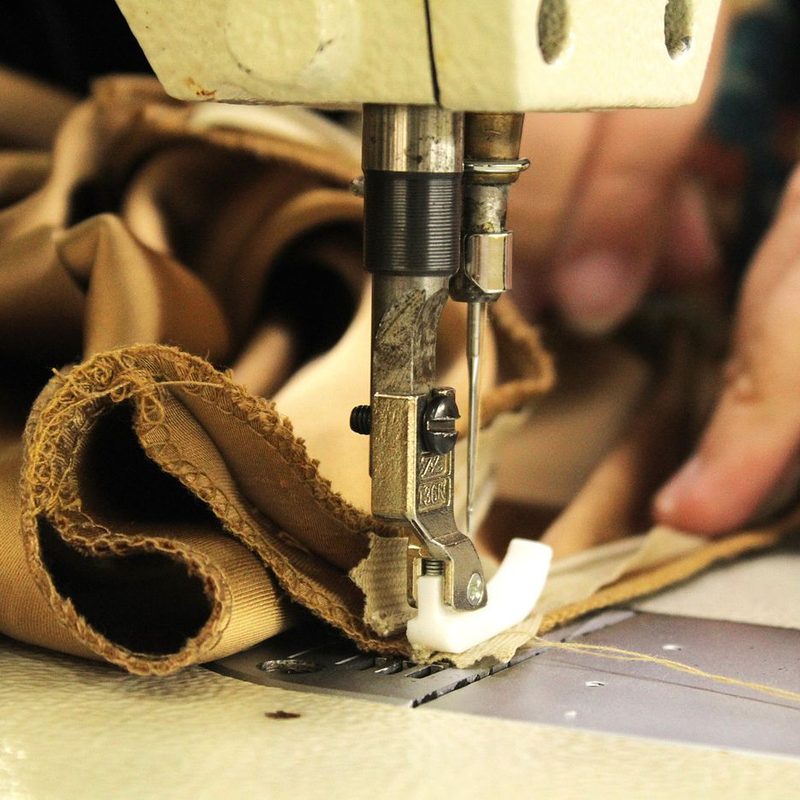
The phrase comes from the two operations that define the job: cutting fabric and sewing it into garments. A cut and sew factory takes your fabric, or fabric you buy through them, and turns it into finished pieces. They do not usually design the product. You bring the design, the pattern, the size specs, and they build it. That is the short answer. The longer answer is more useful, because cut and sew means different things depending on who is saying it.
Where the term comes from
Before the 1970s, most garment production was split across separate shops. One place cut, another sewed, a third did finishing. As factories grew, they merged those steps under one roof and the name stuck. It described a factory that handled the physical making of a garment but not the design or the brand side.
In China, Vietnam, and Bangladesh today, cut and sew usually means a factory that can handle fabric sourcing, cutting, sewing, and packing, but expects the buyer to own the design and the pattern. Some will develop the pattern for you. Some will not. Ask before you assume.
What the job actually involves
A cut and sew order goes through more steps than most first-time buyers expect.
- Pattern making and grading. Your design becomes a pattern in every size you sell. If you bring a tech pack, this is shorter. If you bring a sketch, it is not.
- Marker making. The pattern pieces get arranged on the fabric as tightly as possible to reduce waste. A good marker can save 5 to 8 percent of your fabric cost.
- Spreading and cutting. Fabric is laid in layers, sometimes 40 or 80 plies deep, then cut with a straight knife or a computer-controlled cutter.
- Sewing. Pieces move down a line. Each operator does one or two operations. A simple tee might take 8 minutes of labor. A lined jacket can take 45.
- Finishing. Trimming, pressing, and checking. This is where most defects get caught, if the factory is honest about it.
Then there is packing, labeling, and inspection. None of that is glamorous. All of it shows up in your chargeback rate if it goes wrong.
Cut and sew versus full package
This is where the confusion lives. Full package, sometimes called FOB, means the factory buys the fabric, sources the trims, makes the garment, and delivers it ready to ship. Cut and sew in the strict sense, often called CMT for cut, make, trim, means you supply the fabric and they only do the labor.
The difference matters for money and control. On CMT you pay for fabric directly, so you see the real cost and you can specify the mill. On full package the factory marks up the fabric, usually 10 to 15 percent, and you lose some visibility. Most brands start with full package because it is simpler, then move to CMT once volume justifies hiring someone to manage fabric.
What it means for your costs
Labor is the part people fixate on, but it is rarely the biggest line. On a basic cotton tee, fabric and trims are usually 55 to 65 percent of the factory cost. Labor is 20 to 30 percent. The rest is overhead, profit, and packing.
That is why moving to a cheaper labor country saves less than people hope. If labor is a quarter of your cost and you cut it in half, you saved 12 percent. Freight and duty can eat that in a week.
Questions worth asking before you commit
- Do you make patterns in house, or do I need to supply one?
- What is your minimum per color, not just per style?
- Can I see the marker before cutting?
- Who does the final inspection, and at what AQL level?
- What happens if 3 percent of the order fails inspection?
The answers tell you more about a factory than any showroom visit. A factory that gives vague answers on the last two will argue with you in month four.
Cut and sew is not complicated as a concept. It is complicated in execution, mostly because the handoffs between steps are where things slip. Knowing the steps, and knowing which ones the factory owns, keeps you from paying twice for work you thought was included.
Ready to start your brand?
Tell us what you want to make and we'll tell you honestly whether it's worth it.
Contact Us